
The reality feels more like a high-tech band-aid on a profoundly human problem.
10/22/2026
New AI-powered apps and gadgets are built for older adults at home.
09/30/2026
Adults aged 50+, however, did not share this assertion.
09/22/2026
Policy recommendations for addressing weaknesses in AI and how government is deferring to companies.
09/10/2026
Why senior living's first attempt at using robots was a flop.
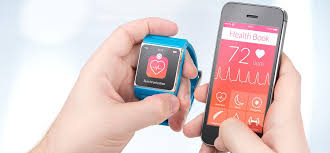 Ask and you shall receive – approximately. How many health apps are available for the iPhone? Says Google – there are 60,000 health apps (eliminating the medical category) in the App Store. Grok says 76,451, ChatGPT says 82,000. And ChatGPT, as a good spy, went a step further, though not asked – claiming that there is no official count of apps for aging in place, caregiving, dementia, hearing, and medication management. And Apple does not count these as a separate category anyway.
  Each month brings new offerings into the marketplace. Or getting ready to enter the marketplace by launching a pilot or other announcement. As is often the case, new offerings include AI enabled tools for connection and or fall prevention. This month brings an unusual addition – a guide to Humanoid Robots from RobixOne. And further, patenting Balance as a vital sign (!). Here are five announcements from September-October, 2026:
 Lots of blah-blah about AI and risk these days.
  A simple WiFi phone for kids. Three guys and an idea to make a simple phone for kids has blossomed into a national business –
  A 2018 blog post sets a stage for comparison with today. Perusing
  What’s new in tech and worth a look in the category of products for older adults? Startups and young tech companies continue to offer new products and product enhancements for the older adult market. These latest are targeting check-in capabilities, health and wellness offerings, family caregiving and support for individuals with disabilities. All material is drawn from the websites of the companies themselves.
 Longevity expectations can mislead or inform. Today’s
 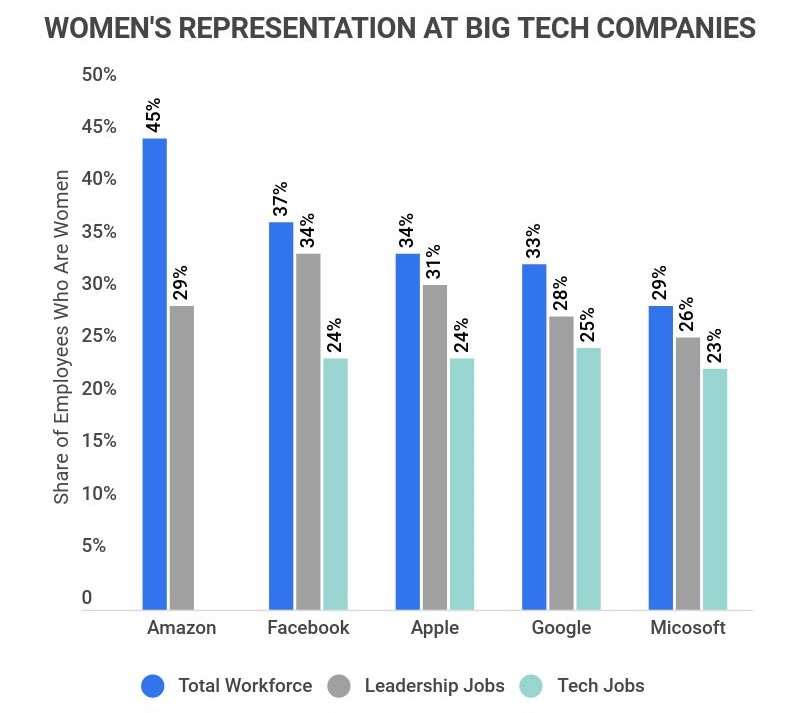 Gloria Steinem and Ms. Magazine were groundbreakers in the 1970s. Gloria Steinem died this week at the age of 92 after (literally) a lifetime of activism on behalf of women. More than 50 years ago, Ms. Magazine launched with 300,000 subscribers and
  You probably don’t think about crossword puzzles much. Maybe you should – the research points to their utility (along with the even-more-important
 Older adults are clearly more tech proficient today… On the positive side, data sources show that older adults are more proficient today than in years past – why? Because of necessity. Consider smartphones and enabling apps, software like FaceTime, social media tech, and TV remotes. It is nearly impossible to function at all without these skills. They can be discovered through trial and error – or training can be found to help. These options include online, video, or live classes including